
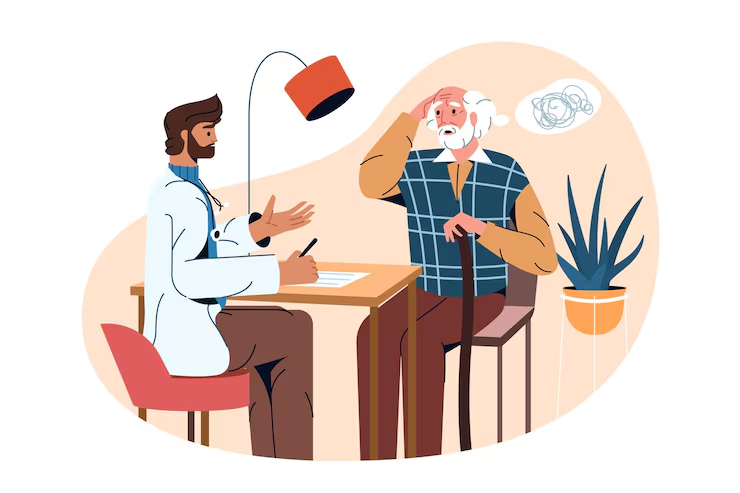
Introduction:
In order to minimize frustration and improve quality of life, symptom treatment is a key part of modern healthcare. Symptomatic treatments concentrate on decreasing the consequences of diseases, injuries, or chronic ailments, in contrast to curative therapies that address the underlying cause. Patients and medical professionals can make well-informed decisions to enhance comfort and wellbeing by understanding the meaning of symptomatic treatment and distinguishing it from curative treatment. Examples of symptomatic treatments, supportive and symptomatic treatments, natural remedies for symptoms, and condition management techniques including anxiety treatment and cancer symptomatic treatment are all described in this guide.
What is Symptomatic Treatment Meaning

Medications used to reduce or manage symptoms without really curing the illness are referred to as symptom medicines. Depending on the needs and health of the patient, these forms of treatment may be natural or prescribed. For example, antibiotics lower fever, pain medications reduce pain, and herbal remedies may relieve vomit or stomach pain.
It’s important to comprehend symptomatic therapies because they let patients continue with their regular activities while the underlying illness is treated.
Symptomatic Treatment Examples
Examples of treatment for symptoms include:
• A topical painkillers, NSAIDs, or the medication are used to treat pain.
• Ibuprofen or paracetamol may decrease fever.
Antibiotics such as dextromethorphan are used to treat coughs.
• Antiemetics like ondansetron are used to control nausea.
• Fatigue support: Rest, hydration, and lifestyle modifications.
Herbal teas, warm compresses, and relaxation exercises are examples of natural medicines that can support these strategies.
Supportive and Symptomatic Treatment: How They Work
The combination of symptom relief with measures that help the body deal with the impacts of the illness is known as supportive and symptomatic treatment. Oxygen therapy for breathing issues and hydration therapy for dehydration are two examples.
- Physiotherapy to maintain mobility and reduce pain;
- Nutritional help for patients with limited hunger
This method works best for complicated cases like cancer and chronic illnesses where the burden of signs is considerable.
Symptomatic Treatment vs Curative Treatment
- Making medical decisions needs an understanding of the differences between curative and symptomatic treatments. The important differences are:
- A feature Treatment for Symptoms Curative Therapy
- Objective Decrease symptoms Get rid of the underlying illness
Examples Herbal treatments, antipyretics, and painkillers Chemotherapy, surgery, and antibiotics - Time Temporary or continuous Clearly defined course
- Result Enhances comfort Potential remedy
To alleviate immediate suffering, medical professionals frequently combine curative therapy with symptomatic treatments.
Treatment of Anxiety Using Symptomatic Methods
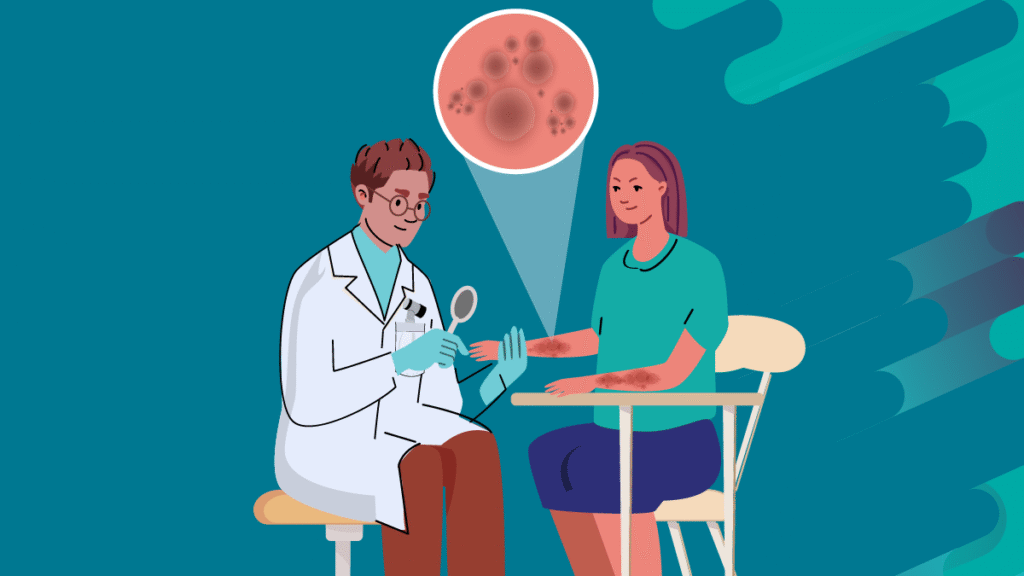
- Both supportive and symptom techniques can be used to treat stress:
- Drugs: For acute symptoms, short-term anxiolytics
- Cognitive behavioral therapy (CBT) and mindfulness are types of therapy.
- Yoga, meditation, and breathing exercises are lifestyle treatments.
- In addition to treating symptoms, natural therapies like lavender aromatherapy, chamomile, and valerian root can help lessen anxiety without addressing its main cause.
Symptomatic Treatment for Cancer
- Cancer Symptomatic Treatment
- Treatment for signs of cancer enhances quality of life and lessens adverse consequences of the illness or treatment. Important tactics consist of:
- Prescription painkillers and painkillers for pain management;
- Antiemetics are medications used for nausea and vomiting during treatment for cancer;
- Rest, diet, and moderate exercise for fatigue management;
- Counseling and support groups for emotional support
In cancer-related therapy, measures to support are a essential part of both symptomatic and supportive treatment.
Natural Treatment for Symptoms: Effective Strategies
In spite of increasing comfort, natural remedies for symptoms added to traditional medicines. Herbal remedies, such as peppermint for nausea and ginger for digestive discomfort; yoga, meditation, and deep breathing; topical treatments, such as warm compresses for muscle soreness and aloe vera for skin irritation; dietary changes, such as eating foods high in antioxidants to aid in healing; For comprehensive care, these natural methods complement symptomatic therapies.
Supportive Treatment Examples in Practice
Examples of supportive care include:
IV fluids for dehydration; oxygen therapy for respiratory distress; nutritional support for long-term conditions; and rehabilitation to maintain mobility and decrease pain.
These methods give comprehensive attention that includes to both symptom relief and general recovery for patients when applied with symptom treatment.
Benefits of Symptomatic Treatments
The following are the primary advantages of symptom treatments:
1. Enhanced Relief: reduces difficulty, sickness or tiredness.
2. Improved Quality of Life: encourages both mental and physical health
3. Decreased Problems: keeps symptoms from getting worse
4. Patient Empowerment: Promotes involvement in treatment
Risks and Considerations
Although treatment problems is beneficial, there are several risks:
- Masking underlying disease;
- Medication side effects;
- Interactions with herbal medicines;
- Incomplete maintenance delaying successful treatment
Doctors strike a balance between treating symptoms and screening the cause of the disease.
Conclusion:
In current health care, symptom treatment is essential due to it offers comfort, respite, and a better way of life. Patients can effectively manage diseases ranging from anxiety to cancer by combining evidence-based methods with natural therapies, and supportive and symptomatic treatment. Making educated judgments and receiving the best care takes an understanding of signs are present versus curative treatment.
FAQs:
What is symptomatic treatment meaning?
The term “a sign” treatment” describes treatments like medicines for pain, antibiotics, or herbal remedies that aim to treat symptoms without curing the real problem.
What are some symptomatic treatment examples?
Examples of treatments for symptoms involves natural remedies like ginger or mint, antibiotics for fever, painkillers for pain, and relief for cough.
How is symptomatic treatment different from curative treatment?
The goals of medical treatment and symptoms therapy are different: cure therapy aims to address the underlying cause of illness, while symptoms therapy decreases symptoms.
Can symptoms be effectively treated using natural methods?
Indeed, alternative remedies for symptoms, such as herbal remedies, meditation, and dietary changes, can enhance comfort and supplement traditional therapy.
What do symptomatic and supportive treatments entail?
Combining symptom alleviation with strategies that assist the body deal with sickness, like oxygen therapy, hydration, and nutrition, is known as supportive and symptomatic treatment.
In cancer care, how is symptomatic treatment applied?
Pain, nausea, exhaustion, and mental discomfort are all managed by symptomatic cancer treatment, which is frequently coupled with supportive care to preserve quality of life.
Can anxiety be treated symptomatically?
Yes, therapy methods, short-term pharmaceuticals, and natural remedies like chamomile or relaxation exercises can all be used to manage anxiety.