
Introduction:
Getting the right medical care begins with figuring out what is wrong with you. This helps doctors find out what is wrong with you on so they can plan the right treatment for you and you are less likely to have problems. Doctors can give you the treatment for your disease when they know what is wrong, with you. Effective medical care is really important. It starts with a good diagnosis.
In a world where symptoms relate to and various diseases share similar patterns, people need clearness, confidence, and medically relevant details. The three forms of diagnosis, the standard medical diagnosis list, and how hospitals use structured ways to diagnose diseases are all explained in this tutorial.
To make it easier for you to understanding medical tests, you’ll also find important information regarding mental health issues, hospital ward processes, and basic diagnosis examples.
Healthy Diagnosis Begins with Understanding the Diagnostic Process

A good diagnosis is not just about knowing what is wrong. It also helps to assess risk factors, lifestyle factors, safety needs, and general well-being.
- A strong diagnostic method often includes:
- Symptom analysis
- Physical examination
- Laboratory tests
- Imaging and screening tests
- Differential diagnosis
- Final confirmation and treatment planning
- This plan of action guarantees precisely and lowers risk of incorrect diagnosis.
- For authoritative medical diagnostic frameworks, you may turn to the World Health Organization (WHO): https://www.who.int/health-topics/diagnostics
Healthy Diagnosis: The 3 Types of Diagnosis Explained
Patients can better understand how doctors gets at their diagnoses by being aware of the three sorts of diagnoses.
- A clinical diagnosis
- This is based on symptoms, medical history, and physical examination only.
- 2. Laboratory or Clinical Diagnosis
- uses screenings, imaging, samples, and blood tests to verify results.
- 3. Different Diagnosis
- determines which of several options is more likely by analyzing them.
- To provide a precise and verified diagnosis, doctors regularly mix all three.
Healthy Diagnosis and the Common Medical Diagnosis List
Healthy Diagnosis and the Common Medical Diagnosis List
If you want to know what is going on with your body, a common medical diagnosis list is really helpful. This list shows patients what diseases doctors see often in clinics and hospitals. Sometimes these diseases have symptoms so it is very important for doctors to do a good job of figuring out what is wrong with you. They need to look at the diseases, on the common medical diagnosis list to make sure they get it right. The common medical diagnosis list is useful because it helps doctors and patients understand the medical diagnosis..
Most Common Medical Diagnosis Examples
These are considered to be conditions between clinical and emergency medical care:
- Hypertension
- Diabetes
- Infections
- Asthma
- Allergies
- Infections of the urinary systems
- Depression and stress
- Back pain
- Thyroid symptoms
Healthy Diagnosis in Hospitals: The Complete Hospital Diagnosis List
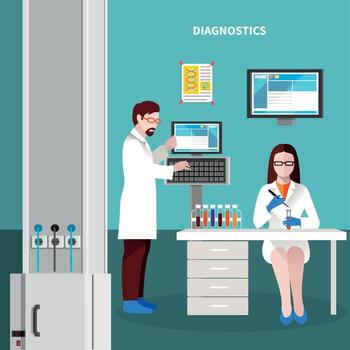
Hospitals utilize organized systems to categorize diseases. A hospital diagnosis list often includes:
1. Cardiology Conditions
• Heart failure
• Arrhythmias
• Hypertension problems
Respiratory Disorders:
Asthma attacks are very bad.
People get pneumonia too. This is another kind of problem that people have to deal with.
COPD flare-ups happen. These are very serious.
Digestive Problems
Appendicitis is another one. This is a problem, with the appendix that can be very painful.
Metabolic and Endocrine Disorders, Diabetes Ketoacidosis, Thyroid Diseases
In hospital settings, these diagnoses are among the most popular.
A good healthy diagnosis strategy guarantees that each of these is examined with detail.
Healthy Diagnosis for Mental Health Conditions
The number of symptoms of psychological diseases is increasing around the world, and early identification of symptoms might be aided by a common diagnosis mental health list.
Mental health issues can be really tough to deal with.
Common Disorders include
- Anxiety disorder which is also referred to as anxiety disorder and GAD for some.
- The people have anxiety disorder.
- It is a major problem, at least for them.
- Major depressive is another problem faced by people.
- People refer to major depressive disorder as Major Depressive Disorder, and for short as MDD
- . There is also bipolar disorder as a problem that the people have to live with. Another problem is -traumatic stress disorder which is sometimes referred to as post-traumatic stress disorder, or PTSD.
- There is also attention-deficit/hyperactivity disorder which is a problem people experience and is also referred to as attention-deficit/hyperactivity disorder, or ADHD.
- There is compulsive disorder among some people, and sometimes is referred to as obsessive-compulsive disorder, or OCD.
- Finally, there are adjustment disorders. Adjustment disorders are extremely challenging to cope with.
Mental health diagnosis often requires:
- Clinical interviews
- Psychological evaluations
- Behavioral assessments
- Risk analysis
- Family history review
A proper diagnosis, for health includes initial treatment, treatment planning, in order service.
Healthy Diagnosis for Common Diseases: Simple Diagnosis Disease Examples
Some illnesses are easy to identify due to evident symptoms or speedy testing tools. These fall under simple diagnosis disease groups.
Example:
- Influenza
- Chickenpox
- Migraine
- Strep throat
- Influenza
- Chickenpox
- Migraine
- Athlete’s foot
- These infections usually require:
- Basic symptom review
- Quick swabs or fast tests
- These infections usually require:
- Basic symptom review
- Quick swabs or fast tests
- Short physical exams
Even though straightforward, a sound diagnosis ensures no consequences are missed.

7 Steps to Achieve a Healthy Diagnosis Every Time
Hospitals and clinics use the following procedures way to provide accuracy illnesses:
1. Accurate Symptom Listing
Accurate details of symptoms, including their intensity, origins, and timings, should be provided by patients.
2. A thorough medical history
Disease patterns are influenced by lifestyle factors, drugs, allergies, and family history.
3. Concentrated Physical Analysis
Doctors carefully assess organ systems, reflexes, and vital signs.
4. Screening and Diagnostic Testing
Deeper insights are obtained by screens, imaging, and blood tests.
5. Clinical Link
Findings must correspond with symptoms in order to avoid needless diagnoses.
6. Different Diagnosis
To prevent mistakes, doctors analyze several options.
7. Final Verification and Strategy
A clear action plan that patients can comprehend is the culmination of a healthy diagnosis.
Healthy Diagnosis and Preventive Care
Life is saved by early detection.
Diseases can be found by screening before symptoms visible.
Tests For Blood Sugar,
Cholesterol,
Pregnancy Tests,
Ultrasounds, The Examination,
Thyroid Screening Are Important Preventive Screening Procedures.
Conclusion
Getting the treatment and finding out what is wrong with you early on is very important for your health in the long run. When you know how a diagnosis works and what kinds of health problems happen a lot it is easier to make choices about your health. This guide will help you understand the healthcare system from going to the hospital to getting checked for health issues and learning about common health problems like diabetes and heart disease. You will learn about diagnosis and common diseases which will help you take care of your health.
The guide has information about diagnosis and common diseases. It will help you navigate the healthcare system. You will be able to go to the doctor and get a diagnosis. Then you will be able to get the right treatment, for your health problems. Diagnosis and common diseases are important to know about so you can stay healthy.
This guide will give you the information you need to know about diagnosis and common diseases so you can take care of your health. You will learn about the healthcare system. You will be able to get the help you need when you are not feeling well. Diagnosis and common diseases are a part of the healthcare system and this guide will help you understand them.
FAQs:
What is a healthy diagnosis.
A healthy diagnosis is when a doctor looks at what’s wrong with you based on the symptoms you have the tests you take and other things to make sure the treatment you get is good for you.
What are the 3 types of diagnosis.
The three main types of diagnosis are diagnosis, clinical diagnosis and investigative treatment.
What is the common diagnosis in hospitals.
A lot of people in hospitals have diagnoses like the flu, heart failure, high blood pressure, problems from diabetes and lung infections.
What is included in a medical diagnosis list.
A common medical diagnosis list includes things like allergies, breathing problems, thyroid problems, urinary tract infections, diabetes, high blood pressure and mental health issues.
What is the difference, between screening and diagnosis.
Diagnosis is when a doctor figures out what disease you have and treatment is based on that. Screening is when doctors look for diseases early before you even know you have them to catch them before they get bad.