
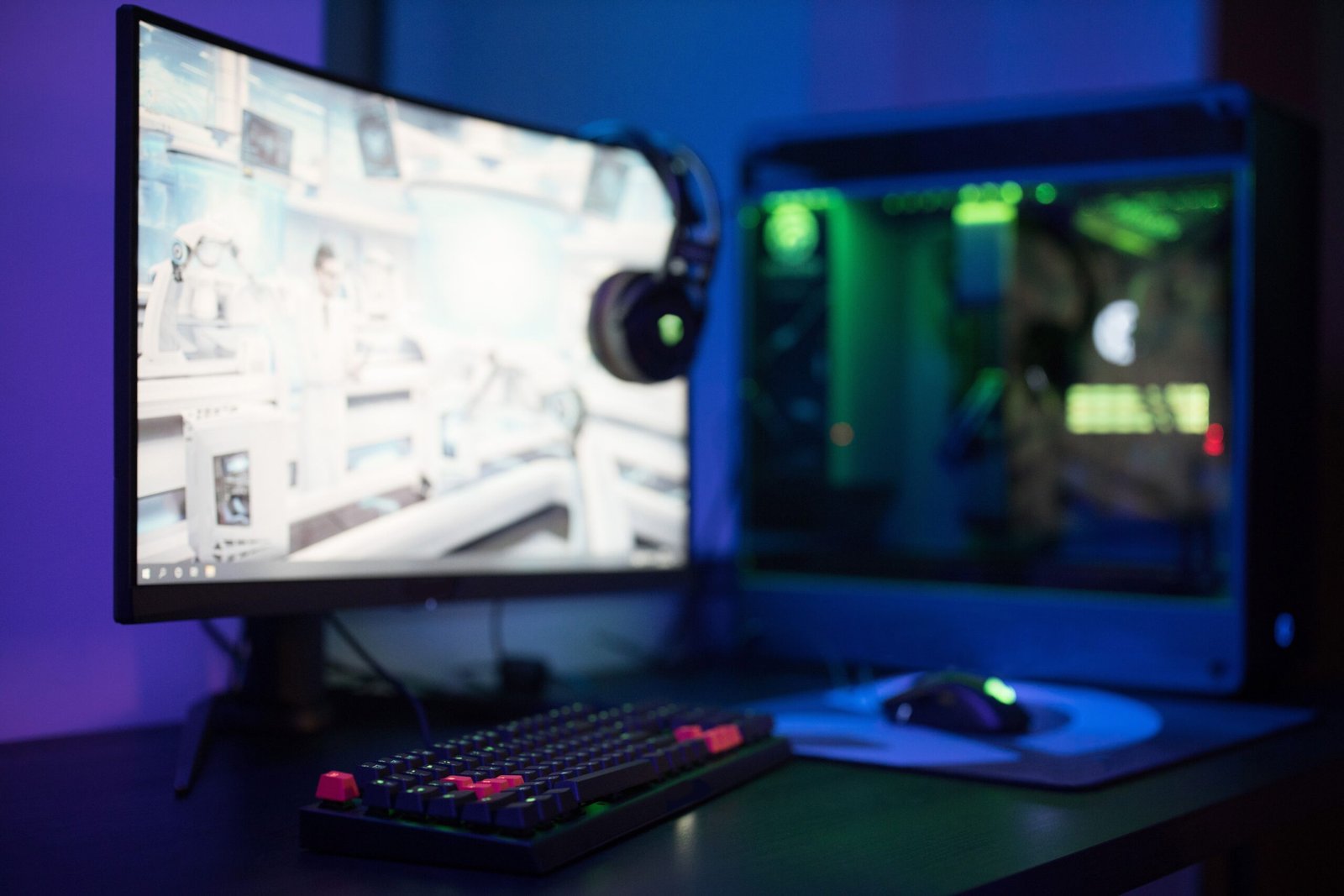
A budget gaming PC is not a powerful computer. It’s a smart computer. The whole idea is to spend money on what it improves gameplay and avoid adding high-visibility features to snapshots.
Many beginners are drawn in by the use of reflective lovers, glass panels, and big words like “the ultimate toy.” Then they look at the parts and find an old pics card, a small garage, or a cheap power source. That’s where the problems start.
When you need a good cheap game, you need a balance. Your graphics card, processor, RAM, SSD, cooling, and reveal should share the images. One expensive item cannot buy a poorly intended device.
This guide covers topics that aren’t, and how you can choose a system that feels fast without compromising your price range today without trouble.
What Makes a Budget Gaming PC Worth Buying?
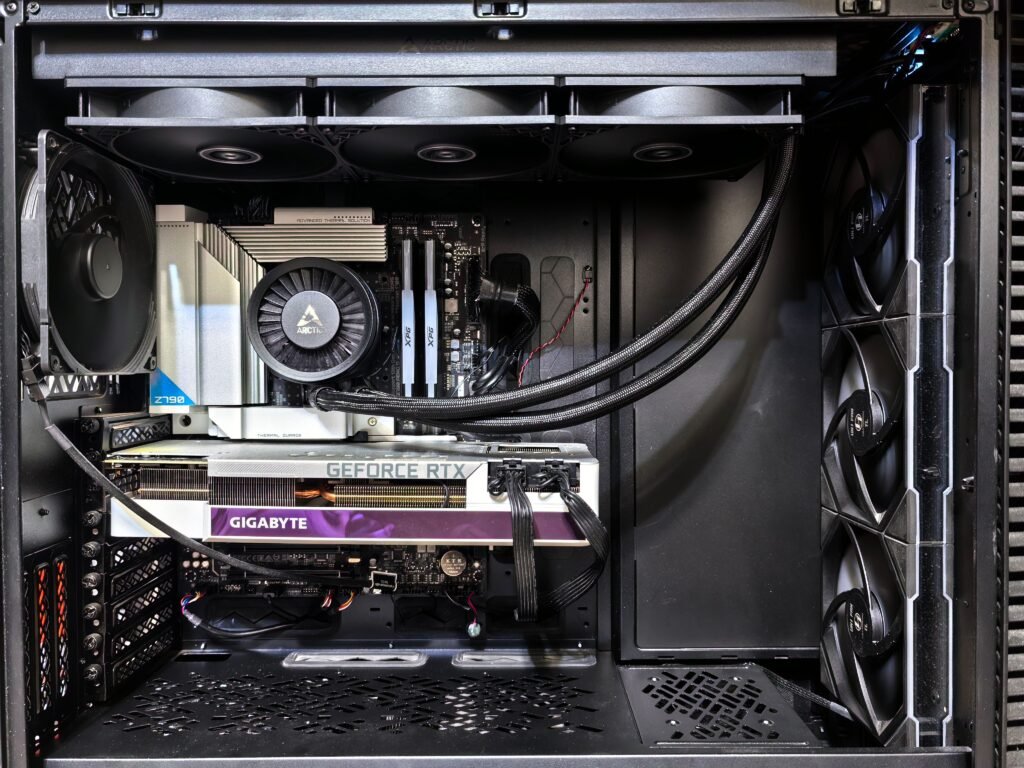
A budget gaming PC is worth buying if it offers strong overall performance for the games you actually play. It doesn’t want to identify all new running settings extremely. It should give you the best gaming experience in smart environments, usually at 1080p.
That’s the candy part of budget gaming PC for most new gamers these days. A 1080p monitor is cheaper than a 1440p or 4K display, and requires less computing power. This way you can spend much less on a PC and still enjoy correct frame loads.
A precise budget setting should allow video games to unlock faster, live cooler longer, and avoid accidental losses. It should additionally have enough room for improvement so that you can deal with it later than abandoning everything.
A great example is buying a cheap tower with “play” in the call. Some of these systems are simple lighted office PCs. Always test the product itself earlier than you consider your label.
Choose Parts Based on Your Games
Before buying a budget gaming PC, think about your favorite video games. This sounds obvious, but it sets the whole lot.
Whether you play Valorant, Fortnite, Minecraft, Roblox, Rocket League, League of Legends or Resistance, you no longer need a high-stop smartphone. These video games can run well on moderate hardware if the construction is balanced.
If you need newer open international games, intelligent images, massive maps or ray tracing, you want a more potent pix map. You may also want a larger garage and greater cooling. That doesn’t mean you need to buy the most expensive system. Only then should your expectations shape your finances.
Now don’t buy video games that you might never have played. Shop for your actual behavior first. If your preferences shop later, improve the smartphone. It is one of the pleasant aspects about the computer device gaming.
A short search can also help. Look at the CPU and GPU with the sport you care about. Real play tests show more than marketing ads.
The Graphics Card Should Be the Priority
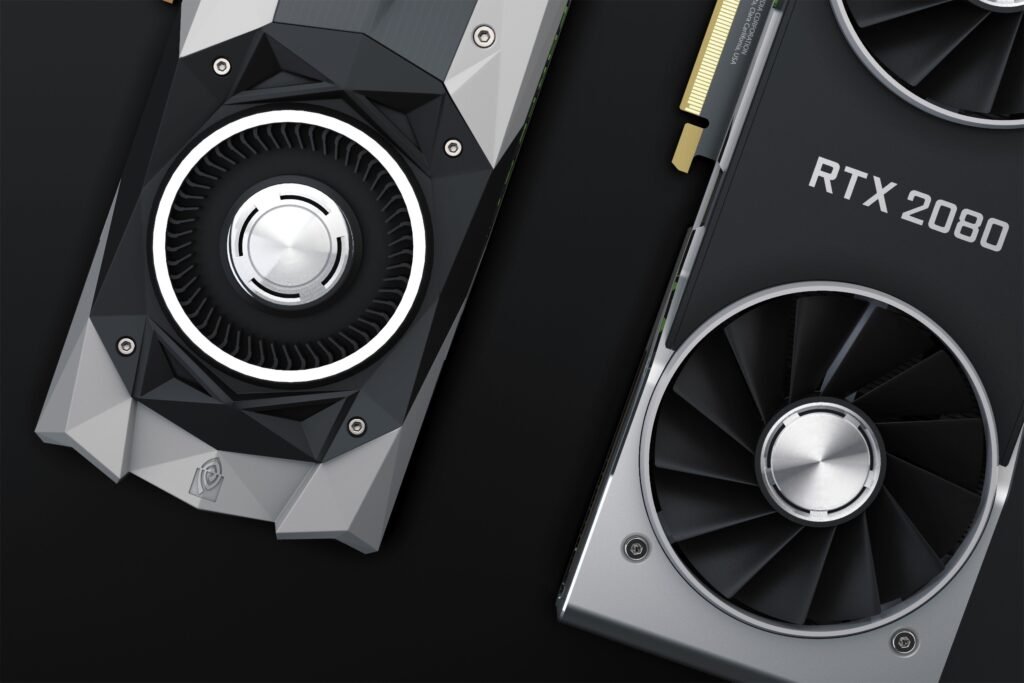
The graphics card is the area that influences the gameplay the most. It controls frame costs, textures, shadows, visible effects and how high you can set other photos.
Money gaming for PC, this is where you need to watch your money. Don’t spend too much on laundry and get a GPU that’s prone to failure. An obviously demanding PC with a better photo card will likely play video games better than a lovely box with poor hardware.
VRAM topics, however it’s not the best thing to test. Some sellers advertise extended memory because it sounds confusing. The real GPU model is very important. A vulnerable card with extra VRAM, however, could lose to a more powerful card with less VRAM.
When buying used, be careful. Used Pix cards can be incredibly cost effective, however they can also be unstable. Ask if the card is repaired, seized, overheated, or still under warranty. If the seller can’t address the basic questions, move on.
For 1080p gaming, choose a GPU that handles your target games in standard settings. Regular frames hit fancy settings every time.
CPU, RAM, and Storage Need Balance
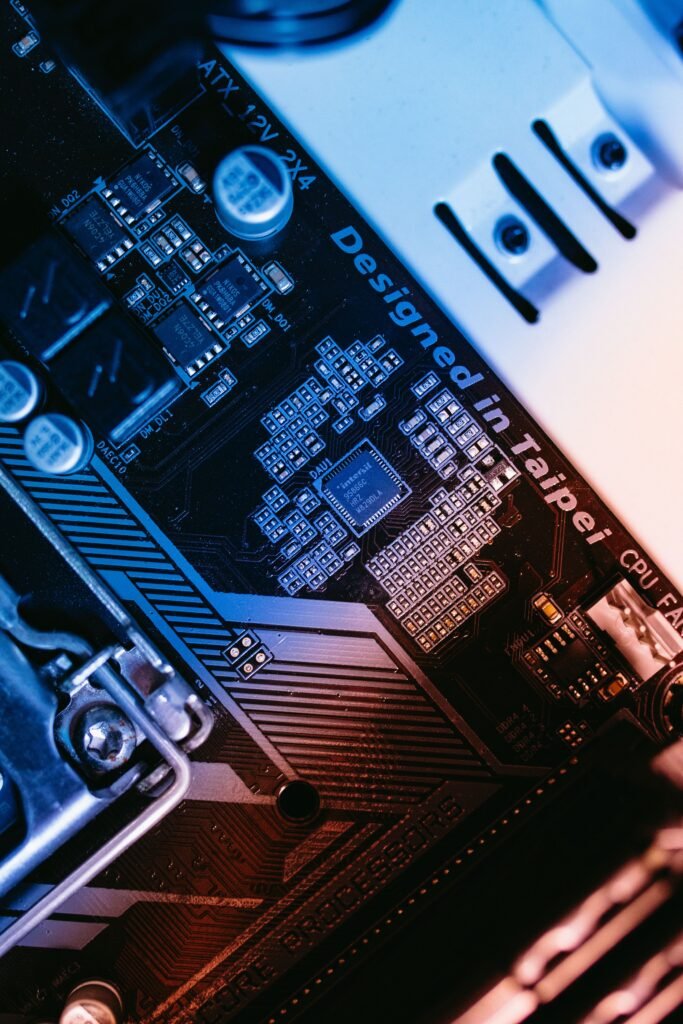
A strong graphics card still needs the right support. This is where the processor, RAM and storage are located.
The CPU handles game intelligence, legacy responsibility, physics, image loading, voice chat, and basic device response. Now you don’t need a top rate processor for a budget build, however you should stay away from a very old chip. Now the access-level or mid-type processor can be used for gaming and casual use.
For RAM, 16GB is a pretty safe place to start. It offers plenty of room for modern games, Discord, browser tabs, launchers, and normal multitasking. An 8GB device can additionally nonetheless play some games, however it can limit the speed.
Storage is another region where startups try to buy too much. The SSD should be worth your pressure. It speeds up old Windows, trims load instances, and makes every gadget primitive for use. A 500GB SSD is usable, however 1TB is a good deal extra cushty because today’s games are bigger.
If you’re on a tight budget, start with one SSD and add more later. Just make sure the motherboard has enough space to modify.
Prebuilt Budget Gaming PC vs Building Yourself
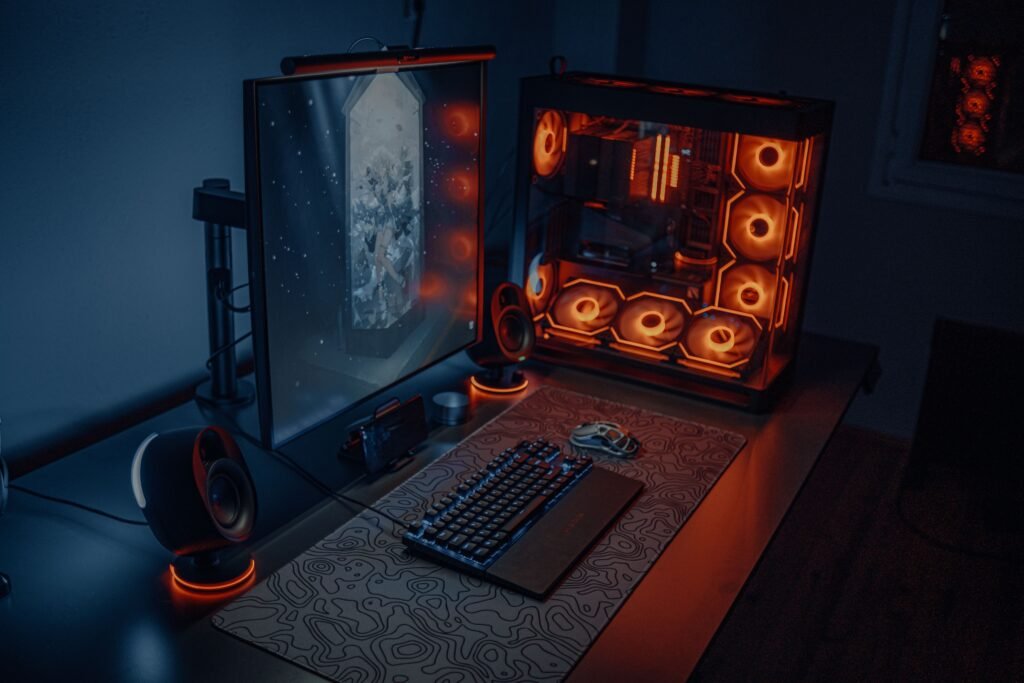
A prebuilt budget gaming PC is the least complicated route. You buy it, connect your screen, install updates, and start playing. This is useful if you currently do not need to manage hardware, cabling, compatibility considerations, or troubleshooting.
Reassurance is another gain. With all the devices covered, you’ve got one place to touch while something’s going on. For novices, this peace of mind is important.
But prefabricated products are usually not perfect. Some organizations save money on areas that buyers no longer notice, such as power consumption, motherboard, cooling system, or RAM speed. The gadget can additionally be seen on top but has fragile support parts inside.
Building your own PC gives you great manage. You take all the pieces and you can stay away from the first low points. You also know how your machine is performing, which makes future improvements easier.
The result is time. You have to check compromises, set things up carefully, and string together small problems when the computer doesn’t start remotely properly.
For comfort, choose an awesome prebuilt. If you know how to read and evaluate parts, build your own.
Do Not Ignore the Power Supply and Cooling
Power supply is one of the least exciting features of a gaming PC, yet it is also one of the most critical. The worst PSU can target shutdowns, crashes, and long-term damage. Saving a little money here can be costly later.
Choose a reliable power source with sufficient wattage for your graphics card and processor. If you expect the GPU to improve later, move on to some other corners. You don’t want a massive unit, but you really do.
Chilling articles, too. The game pieces inspire warmth, and the heat tends to radiate somehow. Poor ventilation with boxes can cause loud fans and increased temperatures. Over time, this can be detrimental to performance and comfort.
Look for a box with front vents, at least some fanatics, and enough space to draw across the map. Mesh-front cases are usually larger than sealed glass-front cases for budget builds.
Cable management can be optimized. It doesn’t currently look better, however the soft cables shouldn’t currently interfere with ventilation.
How Much Should You Spend?
There is no unmarried best charge for a finance gaming computer due to the fact that every player has extraordinary desires. The right amount depends on your games, hardware, and expectations.
For simple esports gaming, you could spend less and still get a good enjoyment. For newer AAA games, you’ll want more GPU power and higher standard parts. If you need 1440p or high refresh rates, your budget will want to grow.
The most realistic case is 1080p gaming. It gives the pleasant mix of payout and overall performance. A properly chosen low-cost machine can feel fantastic with this decision.
Now, don’t miss out on the relaxation of the setup. A monitor, keyboard, mouse, headset, controller, table, and chair can all add to the value. If you use everything in the tower, you can be seen as using a negative screen that hides the overall performance of the computer.
It is better to build a completely balanced setup than to buy a strong tower and pair it with delicate accessories.
Smart Upgrade Path for Later
A budget gaming PC doesn’t have to stay on budget all the time. If you choose the right foundation, you can grow it over the years.
Retention is usually a complete test. Adding another SSD gives you extra space for games and documents without upgrading the system integrity.
RAM is another easy upgrade. If you start with 16GB and then need more for streaming, editing, or heavy multitasking, moving up to 32GB may help.
The graphics map is a scale that typically provides the most important game transition. Before upgrading, make sure your power supply supports the new card or not and that you have enough space in your case.
A monitor upgrade can also make a big difference. Going from 60Hz to 144Hz can make faster video games easier to play. A thicker sock or headband can also improve comfort.
Think of some pre-auction improvements. A reasonably priced motherboard, a smaller case, or a compromised PSU may limit your options later on.
Common Buying Mistakes to Avoid
One common example is trusting product names rather than specifications. The phrase “game” doesn’t imply anything. Always look for exact CPU, GPU, RAM size, garage length and power supply.
Another example is buying too little garage. The 256GB SSD fills up quickly after Windows, updates, and a few games. If possible, start with 500GB or 1TB.
Many novices add more looks. RGB lights are primary, however it should come after functionality, coolness, and reliability.
Pay no more attention to the display. If your PC can push high frame quotes but your reveal is only 60Hz, you won’t see all the gain anymore. For competitive games, a higher rest pay is more important to think about.
Finally, keep your drivers updated. New GPU drivers can restore bugs, improve stability, and help more moderate video games run better. It’s not funny, but it’s thematic.
Conclusion
The price range of a gaming PC isn’t nearly enough to buy a cheaper system. It’s ready to make the right decisions about your video games, budget, and future prospects. Focus on the photo card, compatible accessories, full power, SSD garage, and good air conditioning. Do this, and your setup can sense faster by out costing an excessive amount.
Frequently Asked Questions
What is a budget gaming PC?
A budget gaming PC is a cheap pc designed for a gaming experience at a reasonable price. It specializes in essentials like a PCIe card, a processor, RAM, an SSD, and cooling rather than expensive extras.
Is a budget gaming PC good for novices?
Yes, a budget gaming PC is a very good product for beginners. It can play many popular video games, easily in 1080p with carefully chosen components.
How much RAM should a budget gaming PC have?
A reasonably priced gaming PC should have 16GB of RAM to enjoy the initial pleasure. It can include the most modern video games, voice chat, launchers and basic multitasking.
Can a budget gaming PC run new games?
Yes, it can play a lot of new games, especially in 1080p. You can additionally reduce shadows, textures, or side effects concerning titles to clean up the presentation.
Is it better to buy a prebuilt or build my own?
A pre-built budget gaming PC is better if you want comfort and warranty support. Building yourself is great if you want full control over the parts and want to learn the technique.
What should I check first?
Retention is usually the absolute first priority. On the contrary, a RAM or snap shots card can offer great development, relying on your modern setup.